 WITHIN TWIN CITIES PROPERTY FINDER
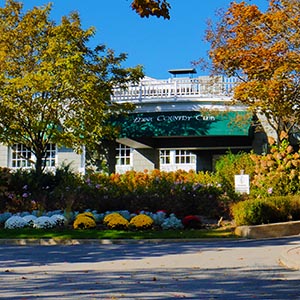
Country Club rewards a close look at the details of a house: the proportions of a front entrance, the materials around a window and the relationship between an addition and the original building. Its history is an important part of the neighborhood story, but so is a clear understanding of what that history means for a present-day owner.
The City’s Country Club neighborhood and the historic Country Club District should not be treated as identical areas. Before making plans for a particular home, establish whether the parcel lies within the protected district and which requirements apply.
History with a defined district
The City identifies the historic Country Club District as a 14-block area. Thorpe Brothers platted it in 1924, and it entered the National Register of Historic Places in 1980. The City's history describes model houses on Edina Boulevard and Moorland Avenue that helped establish its revival-style architecture.
That history includes exclusion as well as design. The City's account documents racially restrictive covenants in the district's original development. An honest appreciation of the architecture should retain that context rather than portray the past only as a story of prestige.
When you tour a home, notice which features appear to belong to the original composition and which reflect later work. Ask for the records that explain the changes. An addition can be part of a home's history, and an attractive facade alone cannot tell you whether work was reviewed or approved.
Renovation requires an informed plan
Historic preservation does not mean that every feature of a house is permanently frozen. The City describes a Certificate of Appropriateness process for specified work, including certain demolition and new construction and significant structural changes to street-facing facades. Confirm the current treatment plan, property status and proposed scope with City planning staff before committing to a design.
For a buyer, bring your real intentions to that conversation. If a kitchen reconfiguration depends on an exterior opening, or a garage project changes the street-facing view, sketch the idea clearly enough for staff and a qualified designer to discuss. Do not base a purchase on either an assumed prohibition or an assumed approval.
For a seller, gather available approvals, plans and permit records before photography and listing preparation. Being able to explain completed work is more helpful than describing a house as protected without explaining what that means.
Wooddale Park and club membership
Wooddale Park at 4500 West 50th Street provides public outdoor space. The City lists a playground, picnic facilities and a multi-use field, among its features. It offers a concrete destination to include in a neighborhood walk without making the house itself responsible for every outdoor activity.
Edina Country Club offers separate membership categories for golf, pool and tennis, and social use. Those arrangements are distinct from buying a home with a Country Club neighborhood address. Confirm membership details with the club; do not assume the amenities accompany a property.
Let the individual home make its case
Compare a home's daily usefulness with the architectural qualities that first caught your eye. Follow the path from parking to the kitchen, check storage and consider how daylight reaches the rooms you would use most. If the home has been expanded, spend extra time understanding the connection between its different parts.
Thoughtful preparation also matters when selling. Show original detail clearly, explain later changes accurately and let the floor plan communicate how the house lives today. The strongest description is specific to the property rather than a collection of superlatives about the neighborhood.
To discuss a Country Club home, contact David Olson at Edina Property Finder within Twin Cities Property Finder at 952-314-9446. Edina, understood.